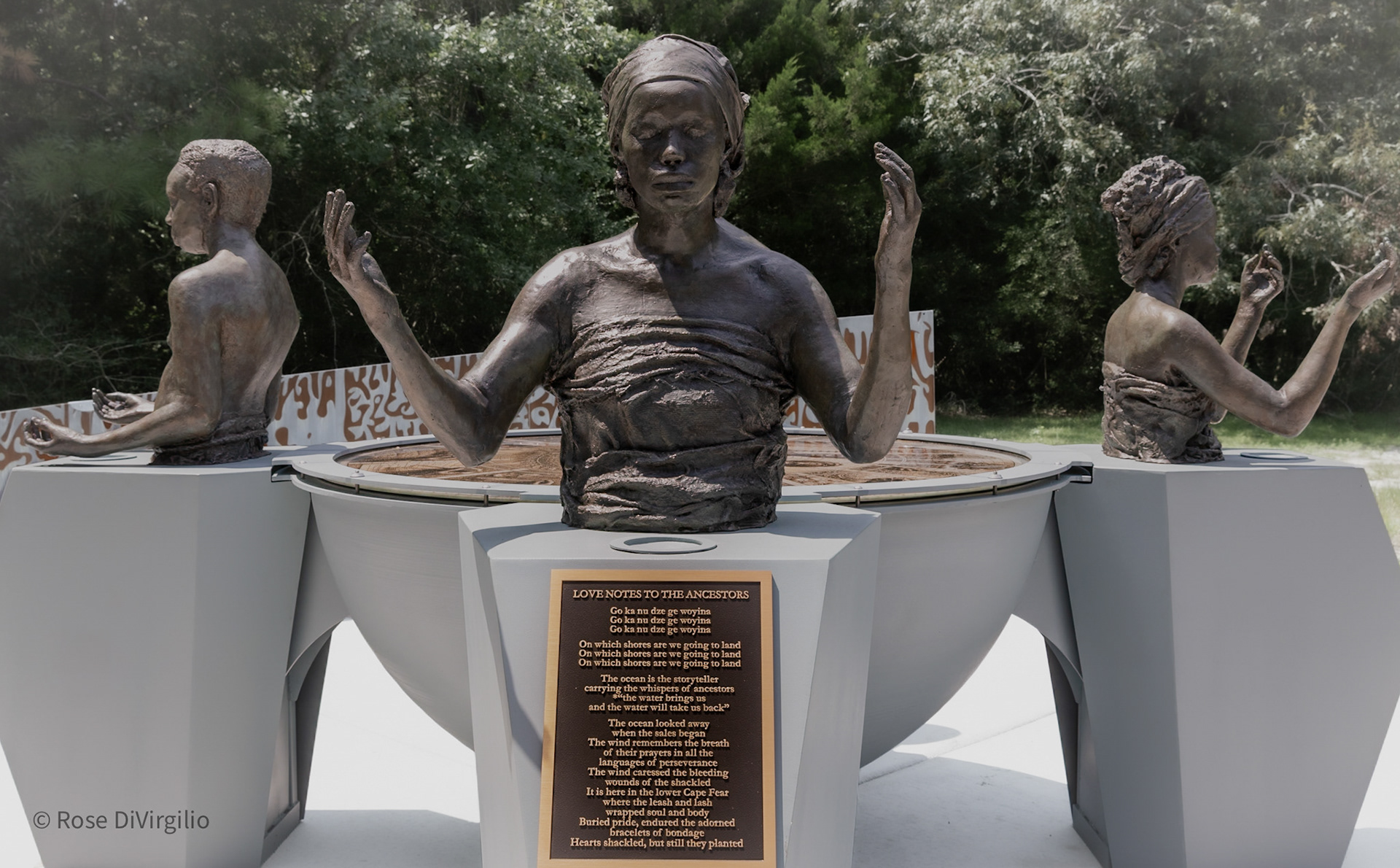
WHAT MAKES AN AMERICAN?
Have you ever traveled to Blowing Rock, North Carolina? I never expected to learn so much and have so much fun.
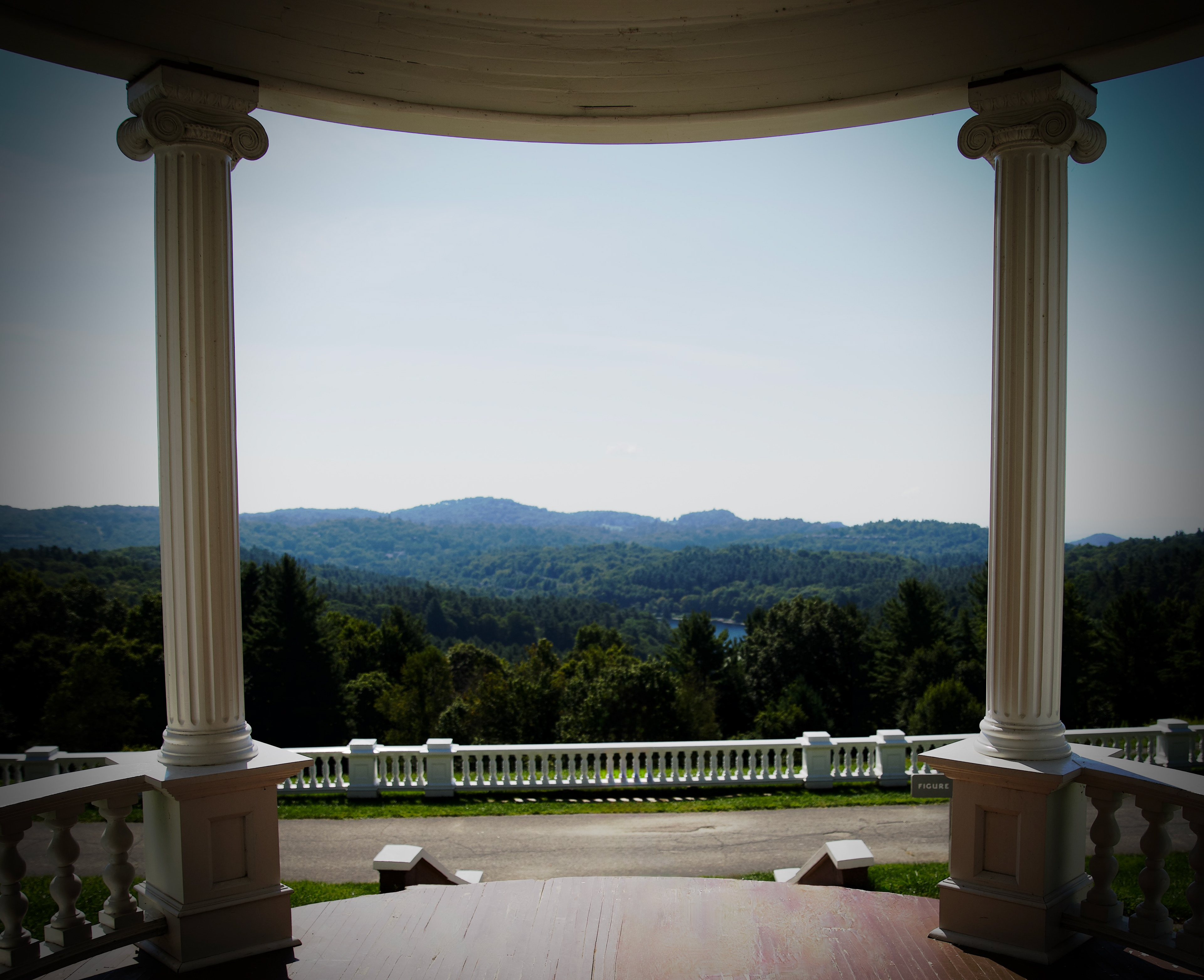
What began as a simple romantic mountain getaway with Rich turned into one of those weekends that sends you home with far more than photographs. Rich is my male twin when it comes to history and discovery. We love exploring, asking questions and finding the story behind the places we visit, so a carriage ride through the beautiful mountain estate of Moses and Bertha Cone was right up our alley.
The views were magnificent, the carriage roads seemed to invite us farther in, and as we explored their beautiful home, Rich and I were equally enthralled. We wanted to know more, and that is when I learned that behind all this beauty was a fascinating American textile story.
I learned that Moses and his brother Ceasar were the sons of an immigrant from Bavaria named Herman Kahn. Kahn became Cone.
Well, that made me smile. Rosa became Rose. I totally get it.
Then I learned just how important the Cone brothers became to denim, and now they really had my attention. Because what has dressed American culture quite like a pair of jeans?
Work clothes, weekend clothes, cowboys and movie stars, teenagers and presidents, construction sites and fashion runways. Even today, put on the right pair with a blazer and somehow jeans can make a business statement.
How did that happen?
The more I learned about the Cones, the more I wanted the full story of American jeans. History, it turns out, is in their seams.
I learned that denim’s story began long before it became an American icon, and I learned about Jacob Davis, a Latvian-born immigrant tailor who had an ingenious idea: use copper rivets to strengthen workers’ pants where they kept tearing.
Then I learned who helped him make it happen, another immigrant named Levi Strauss. German-born and living in San Francisco, Strauss joined Davis, and together they patented their riveted work pants in 1873.
And then came one of my favorite discoveries... the Cone mills would eventually make denim for Levi Strauss.
There they were, all those threads crossing again. Immigrants, ideas, imagination, work, fabric and North Carolina, somehow coming together in those humble work pants that became one of the coolest things America ever wore.
American jeans, it turns out, have pretty good genes.
Somewhere along the way the jeans stopped being the point. I kept thinking of a woman I once photographed at Wrightsville Beach.
THE THREADS WE CARRY
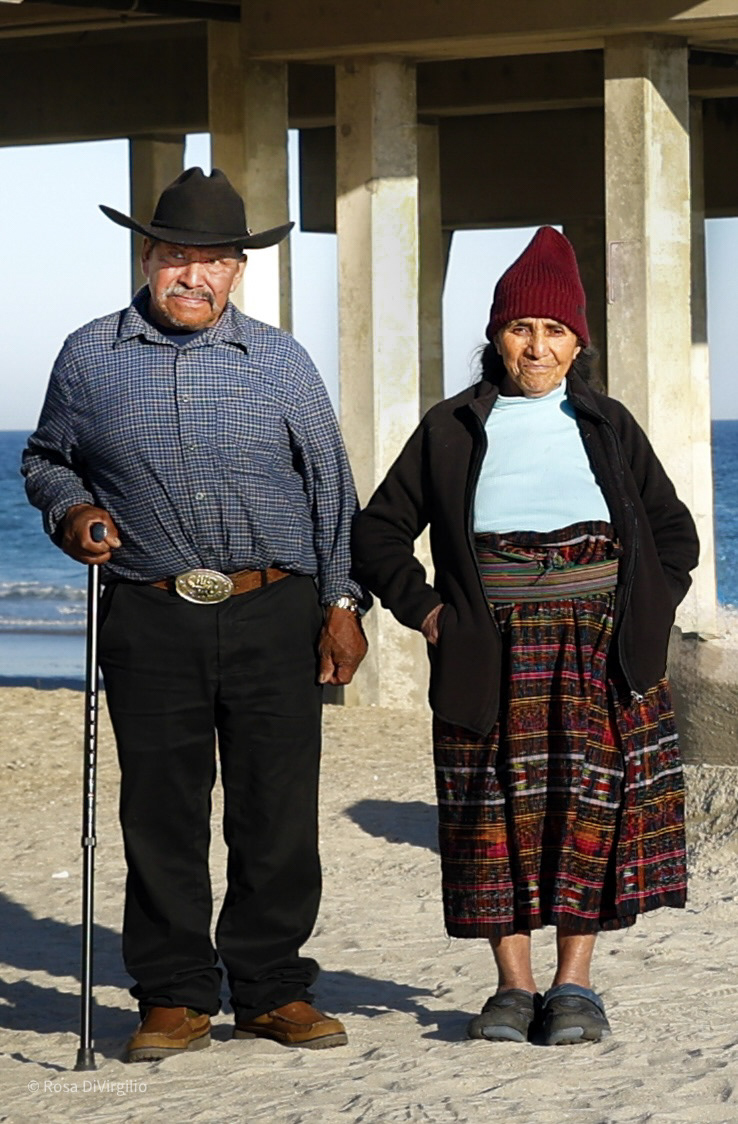
I met an older couple at Wrightsville Beach and was immediately drawn to them. I don’t know where they were born. I never asked. But I remember looking at her and thinking how beautiful and strong she was. Her patterned skirt, the woven sash, the confidence with which she wore them. Beside her stood her companion, their arms gently linked.
To me, she could have walked straight into the pages of Vogue. She deserved Annie Leibovitz, the celebrated American portrait photographer known for her unforgettable photographs of some of the world’s most recognizable people.
Instead, she got Rosa DiVirgilio.
And I am humbled that she gave me the opportunity.
In my own entirely unofficial photography awards, I’ve already declared it my award-winning TIME piece. No judges required. It may not mean to anyone else what it means to me, but it means the world to me.
After everything I had learned about denim, immigration and the things people carry from one place to another, I found myself looking at her photograph differently. I wanted to know about her textile, not to decide where she came from, but to understand what she chose to carry with her.
A textile can do that. It can carry color, craft, tradition and memory without saying a word.
Maybe people do the same.
We carry names, languages, recipes, faith, traditions and sometimes a beautiful piece of cloth. Some things change along the way. Some things remain beautifully visible.
And that made me think about another collection I treasure.
ONE SHORE
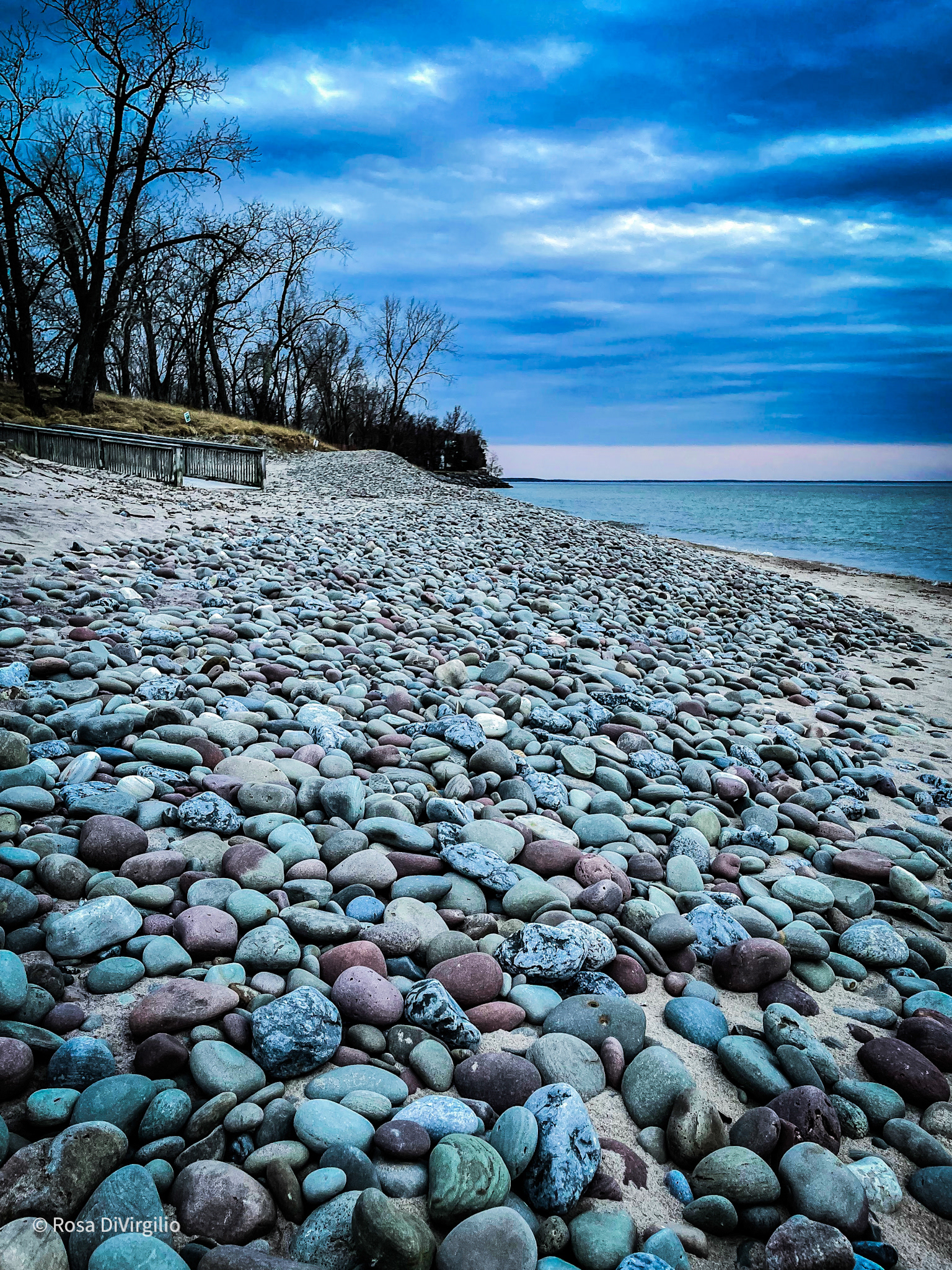
The stones along Lake Ontario.
I have always loved them because they aren’t alike. Gray, rose, green, rust, white, each with its own markings and texture. I learned that glaciers, water and time helped shape and move the remarkable mixture of stones we find along the Great Lakes.
Different beginnings. Different journeys. Eventually, one shore.
They don’t have to become the same stone to belong beside one another.
Together, they make the shoreline beautiful.
But the more I followed these threads, the more I realized that the American story isn’t only about what we brought here. It’s also about what happened after we arrived.
And not everyone arrived by choice.
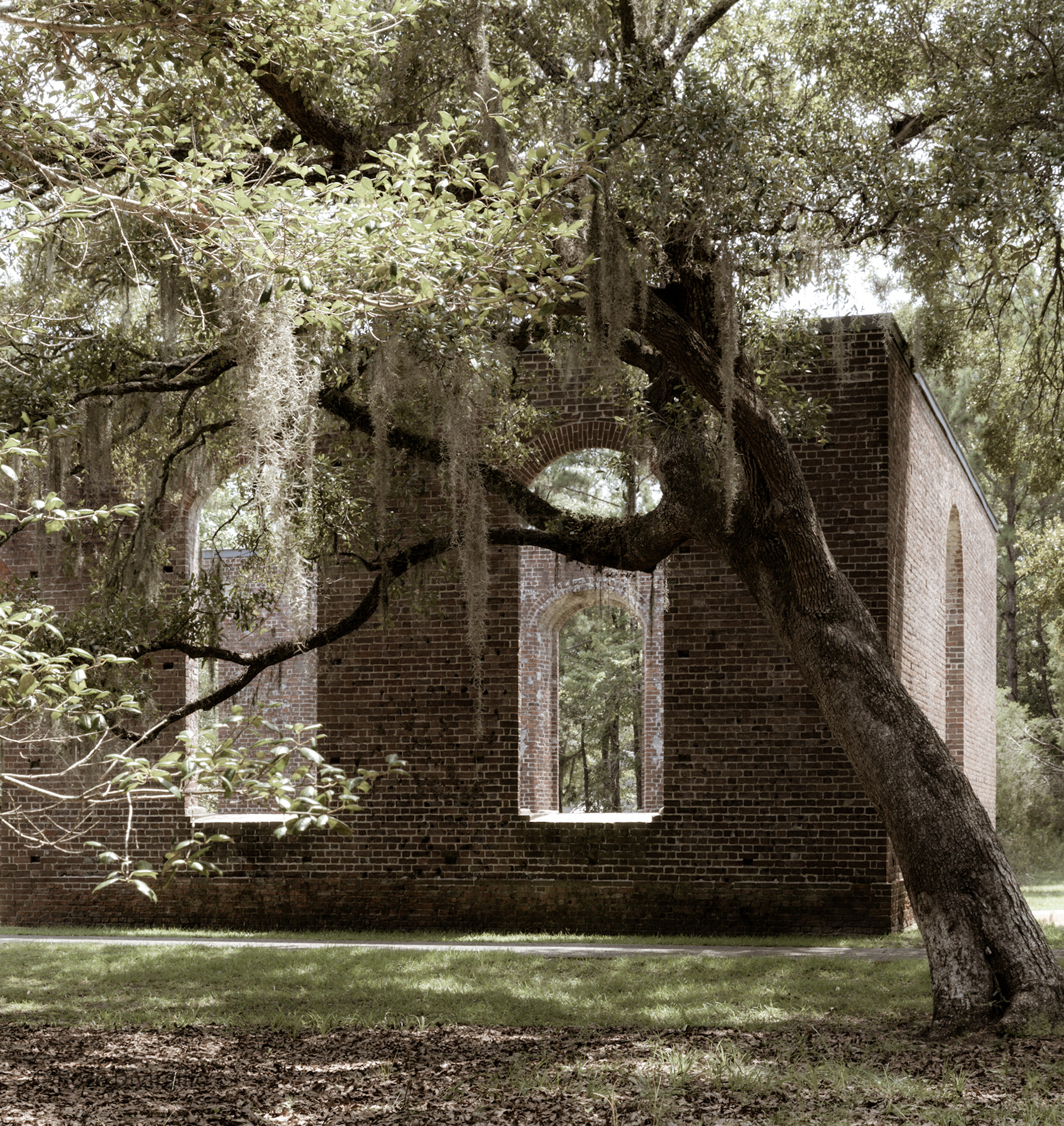
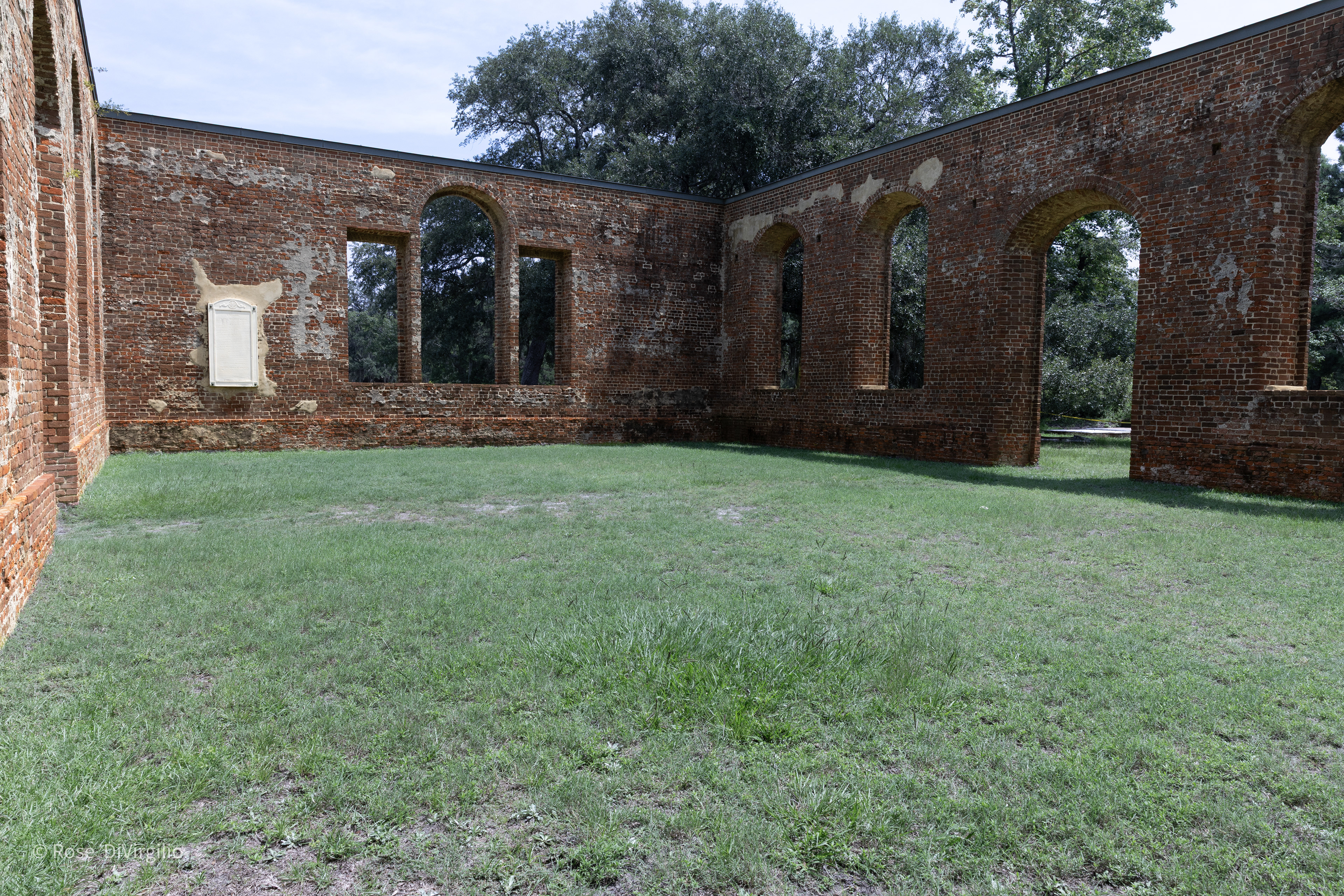
That thought took me back to another place I had photographed, the ruins of St. Philip’s Church at Brunswick Town.
Once again, I had gone because something was beautiful.
Once again, I came home wanting to know more.
STILL STANDING
I learned that Spanish sailors attacked Brunswick in 1748, and that some of those captured were sold into slavery, with proceeds helping to finance St. Philip’s Church. The church was begun in 1754, and years later, during the American Revolution, Brunswick was burned by British forces. The church was most likely lost in that destruction too.
So much history inside four walls.
But what moved me wasn’t what was gone.
It was what remained.
The walls are still standing, but the roof is gone. Grass grows beneath your feet, moss has found the old bricks, sunlight pours through the windows, and above it all is open sky.
Standing there, I didn’t feel ruin.
I felt grace.
After war, fire and nearly three centuries of weather and time, those walls are still standing. Only now there is nothing separating that sacred space from the world around it.
The earth is beneath your feet. Heaven is above you. And somehow, both belong inside.
History tells us what happened there.
But those walls seem to whisper something else.
Grace remains.
I began with a romantic weekend in the mountains and a pair of jeans. Somehow they led me here, to immigrants and changed names, to a woman proudly wearing a beautiful textile, to people whose journey to America was not their choice, and finally to four old walls open to earth and heaven.
Maybe What Makes an American? was the wrong question all along.
Perhaps the wonder is in discovering what made America.
So many people. So many journeys. So many threads. Some chosen, some forced, some changed and some carried proudly forward.
And every one of them left something in the fabric.
Threads woven into the fabric and carried forward.